Solar energy
More than 28 GW of photovoltaic capacity installed nationwide, with growing self-consumption in homes and cooperatives.
A report on the 2030 carbon footprint goals and the development of renewable energies across the Iberian Peninsula.
Clean energy, a stronger Spain
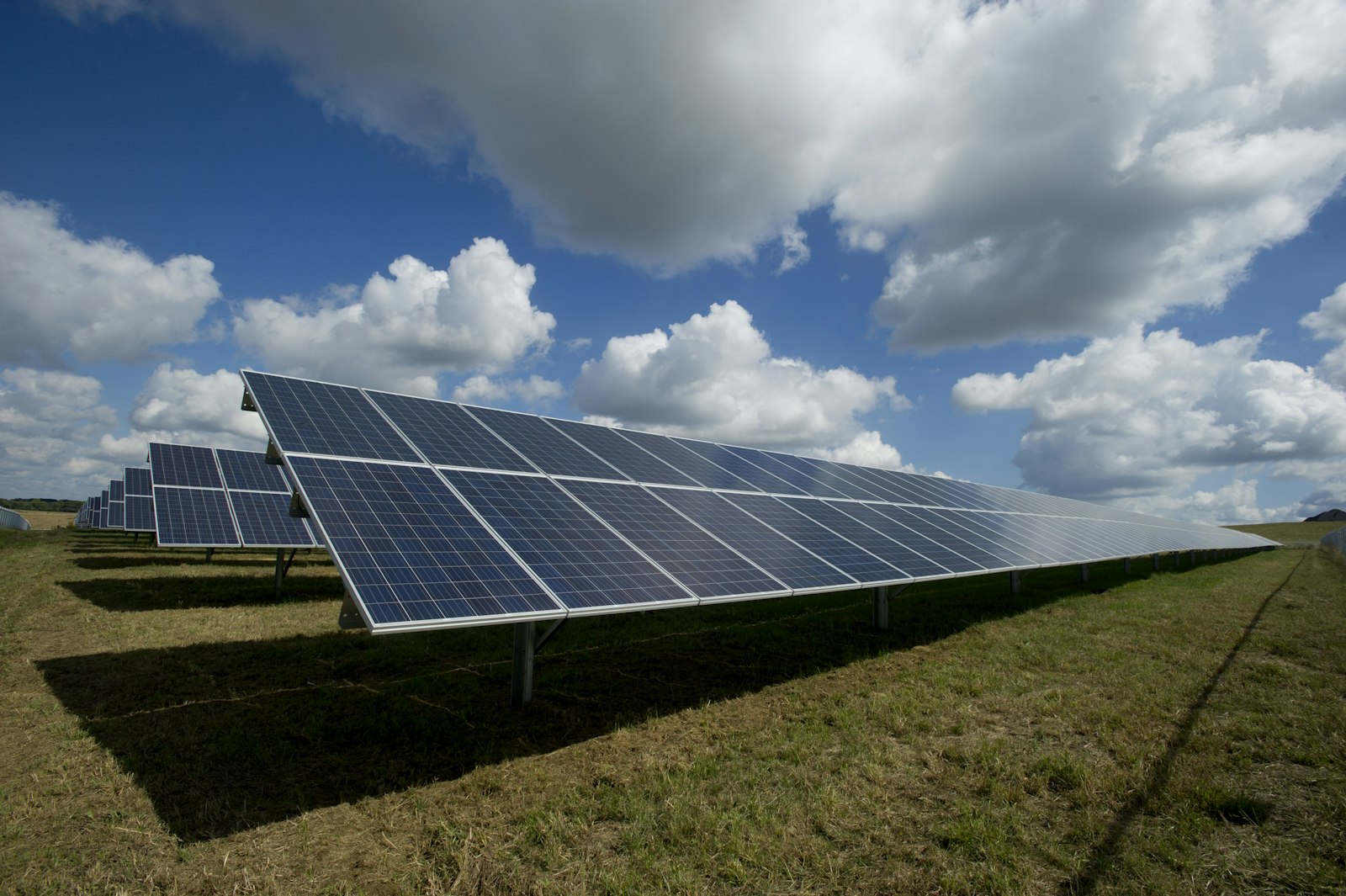
More than 28 GW of photovoltaic capacity installed nationwide, with growing self-consumption in homes and cooperatives.
New public protocols to protect migratory bird routes and align wind farms with extensive livestock farming.
Soil moisture sensors, Copernicus satellites and farming know-how working together for a more sustainable production.
Special report · December 2026 · 10 min read
The world is changing and the planet's resources are being depleted at an unprecedented rate. Thanks to its privileged geography and a strong agricultural tradition, Spain has become one of Europe's most active laboratories for the development of renewable energy and the protection of natural environments. This educational report draws on public data from the Spanish Ministry for Ecological Transition and the Institute for Energy Diversification and Saving, updated in 2026.
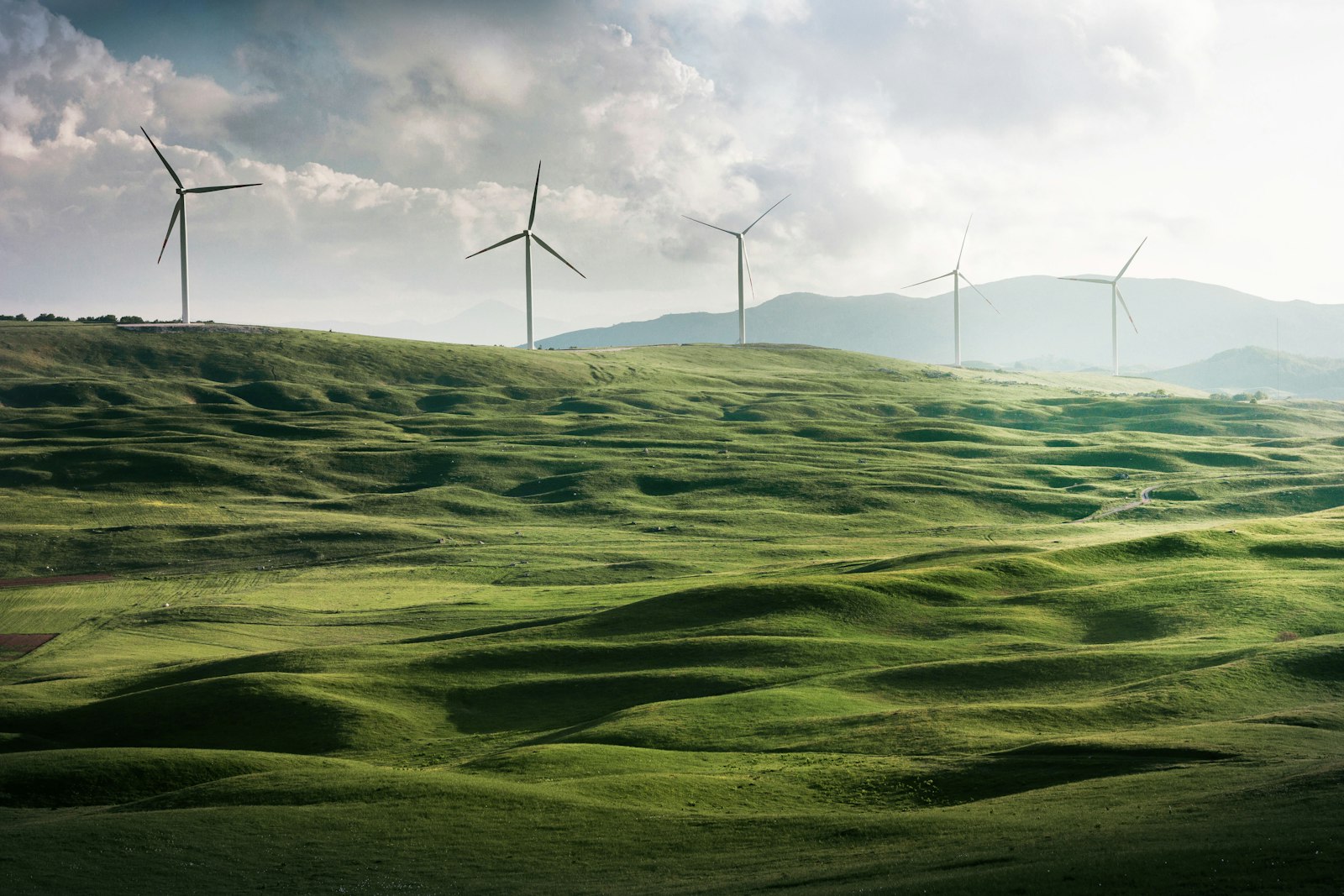
Global warming is no longer a distant hypothesis but a measurable reality. The heatwaves of summer 2025 broke records across the Mediterranean basin and forced the autonomous communities to update their adaptation plans. The protection of ecosystems, water and biodiversity is the main pillar of the 2030 Roadmap.
Spain's goal is clear: to reduce net emissions by 32% compared with 1990 and to reach 81% of electricity from renewable sources before 2030. It is slow, rigorous work, without shortcuts. The future of our children depends on the decisions we make today.
Andalusia, Extremadura and Castilla-La Mancha host most of the installed photovoltaic capacity in the country, while Galicia, Castilla y León and Aragón lead the wind sector. Spanish energy companies, together with local cooperatives and non-profit organisations, are working on projects for green hydrogen, shared self-consumption and rural energy communities.
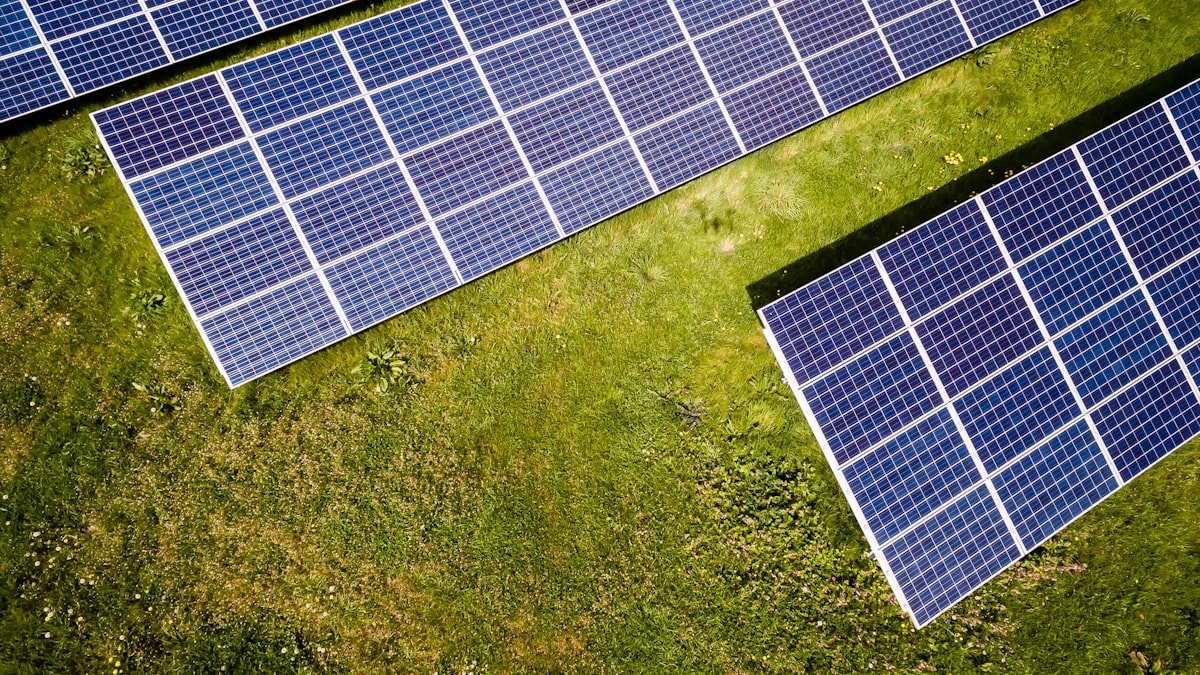
Beyond large infrastructures, the development of small distributed installations allows inland villages, often depopulated, to recover sustainable economic activity and to protect their natural heritage. The transition is not only technological: it is social and deeply cultural.
So-called Agriculture 5.0 combines soil sensors, Earth observation satellites and traditional techniques inherited over centuries. The goal is not to produce more, but to produce better: less water, fewer fertilisers and greater soil protection. The dehesas of Extremadura, the olive groves of Jaén and the vineyards of La Rioja are living examples of how innovation can coexist with respect for the territory.
Public programmes such as the 2023-2027 Strategic CAP Plan promote regenerative practices, crop rotation and vegetation cover. The future of our food depends on well-trained farmers, young people returning to the countryside, and a citizenship that recognises the value of local produce.